
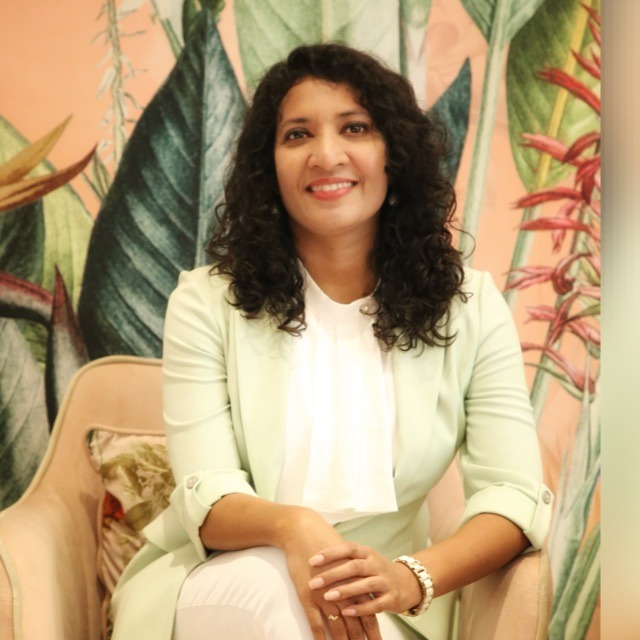
Ar. Sunita Reddy
Chief Architect & Founder of Acme Design
As part of our ongoing editorial series celebrating the creative minds shaping the future of architecture and design. In this edition, The Best Creator is delighted to feature Ar. Sunita Reddy, Architect specializing in Theme Designs at ACME DESIGNERS.
Renowned for crafting immersive, story-driven environments, Sunita has built a distinctive design approach where architecture goes beyond aesthetics to create meaningful experiences. With a strong focus on the hospitality and leisure sectors, her work seamlessly blends creativity, sustainability, and functionality, transforming spaces into memorable destinations that reflect each client’s unique vision.
In this exclusive conversation, she shares the inspirations behind her journey, her passion for thematic design, and the philosophy that continues to guide her in creating spaces that are as purposeful as they are inspiring.
The Journey of an Architect Who Chose to Dream Bigger
When Passion Found Its Purpose
Every remarkable journey begins with a spark of curiosity. For Sunita Reddy, that spark was ignited during her school years, when the world of buildings and design first captured her imagination. She explored the profession further, she discovered that architecture was not just about artistic expression; it was a perfect blend of creativity, logic, and engineering. That realization shaped her career choice and set her on a path of purposeful learning.
Her academic journey quickly became a testament to her dedication and pursuit of excellence. Graduating as a University Gold Medalist, she received accolades for Best Architect, Best Interior Designer, and Best Outgoing Student, earning recognition for her exceptional performance. At a time when access to global design inspiration was limited, she developed her own design language through observation, research, and an unwavering commitment to originality. Encouragement from mentors and industry experts further reinforced her confidence, inspiring her to push creative boundaries from the very beginning.
From Landmark Projects to Building Her Own Legacy
Even before completing her education, Ar. Sunita Reddy’s talent opened doors to opportunities that many professionals aspire to much later in their careers. Her involvement in production and set design led to a significant milestone contributing to the design of Ramoji Film City. The scale and impact of the project established a strong foundation for her professional journey and introduced her to the dynamic world of film set design.
The experience soon expanded into collaborations with the film industry, where she worked on designing sets for multiple productions, enriching her creative perspective through large-scale, fast-paced projects. Yet, despite these exciting opportunities, architecture remained her true calling.
Determined to create spaces with lasting purpose and impact, she returned to the profession that first inspired her to establish her own architectural practice in Bengaluru in 2006. Since then, her journey has been driven by a commitment to innovation, originality, and design excellence that every milestone, no matter how diverse, ultimately contributes to building a stronger architectural vision.
Design should Serve the Business, Not Just the Eye
Architecture is often celebrated for its visual appeal, but Ar. Sunita Reddy believes that exceptional design begins with understanding the purpose behind every project. While aesthetics remain an essential aspect of architecture, they should never exist in isolation. Every space must respond to the client’s business objectives, investment expectations, and long-term vision.
According to her, architects should look beyond creating visually impressive spaces and focus on how design can contribute to business success. Whether it’s a commercial development, hospitality project, or workplace, every design decision should align with functionality, user experience, and return on investment. When architecture is driven by business understanding, it becomes a strategic tool that creates measurable value rather than simply making a visual statement.
The True Value of Architecture Lies in Sustainable Growth
For Ar. Sunita Reddy, the role of an architect extends far beyond delivering a finished project. She believes architects have the ability to influence the long-term success of a business by designing spaces that improve operational efficiency, optimize resources, reduce recurring costs, and enhance customer experiences.
She advocates for a design approach that creates lasting impact not just during construction, but throughout the lifecycle of a business. When architects understand how a client’s operations function, they can uncover opportunities that improve productivity, support sustainability, and strengthen profitability. Ultimately, she believes the greatest achievement for any architect is seeing clients thrive because of thoughtful design, fostering relationships built on trust, value, and shared success.
Designing Experiences that People Feel, Remember, and Share
For Ar. Sunita Reddy, architecture has evolved far beyond creating visually appealing spaces. She believes today’s design must engage every sense, tell a compelling story, and deliver measurable value for both users and businesses.
With a strong focus on hospitality design, her philosophy revolves around crafting multi-sensory experiences where architecture becomes an integral part of the guest journey. Every project is envisioned as an immersive environment that seamlessly blends aesthetics, functionality, comfort, and emotional connection.
Sustainability remains a key pillar of this approach. Rather than treating green design as an afterthought, she advocates integrating passive design strategies from the very beginning. By intelligently responding to climate and context, spaces can significantly reduce energy dependence while enhancing user comfort proving that thoughtful design can be both environmentally responsible and commercially rewarding.
In today’s digital-first world, Sunita also believes that architecture should create stories worth sharing. Every hospitality space should feature memorable elements that naturally encourage engagement, spark conversations, and give brands meaningful visual content long after the project is complete. Design has become a powerful marketing asset that extends far beyond the built environment, in her view.
She further emphasizes that exceptional hospitality is created when every element from spatial planning and ambience to food, service, and cultural identity is working together harmoniously. Incorporating regional character, local experiences, and sensory details allows spaces to feel authentic while leaving a lasting impression on every visitor.
Success is about Creating Opportunities, Not Chasing Them
Success is all about embracing them as milestones that shape your journey. According to Sunita Reddy, every professional hurdle brings an opportunity to evolve, and true growth begins when we stop seeing the industry as a battlefield and start viewing it as a space abundant with possibilities.
She believes the design fraternity has enough opportunities for everyone to thrive. Rather than competing for every project, professionals should focus on identifying their strengths, defining clear aspirations, and pursuing work that aligns with their long-term vision. When designers stay committed to their purpose instead of chasing every opportunity, they not only produce their best work but also create room for emerging talent to flourish.
She added, growth is about progression with clarity. As ambitions evolve, so should the nature of the projects one undertakes. Passing opportunities better suited to young and aspiring designers is not a loss… It’s a contribution to building a healthier, more collaborative design ecosystem where every professional gets the chance to learn, excel, and grow.
Her message to the fraternity is simple yet powerful: keep moving forward, stay focused on your goals, and never stop raising the bar for yourself. As you climb higher, remember to leave space for the next generation to rise alongside you. That is how individuals grow, industries progress, and meaningful legacies are created.
Great Design doesn’t Follow Trends, It Solves the Challenges
The best design solutions emerge when architecture responds to real-world challenges rather than predefined trends for Sunita. In fast-paced commercial and hospitality projects, the priority often lies in minimizing downtime while delivering exceptional spaces.
She believes that innovation is reflected in the ability to rethink construction methodologies. By embracing lightweight structural systems and faster building technologies, projects can be executed within demanding timelines without compromising on quality, functionality, or aesthetics.
According to her, modern architecture is no longer just about creating visually appealing spaces. It is equally about delivering intelligent solutions that balance speed, efficiency, and performance. Every commercial project brings its own urgency, and successful design is measured by how effectively it addresses those operational realities.
Beyond Design: A Perspective on the Industry’s Next Chapter
As the architecture and design landscape evolves, the industry’s future will be shaped not only by creativity but by the choices professionals make today. According to Sunita Reddy, sustainability, operational efficiency, and continuous learning are the three pillars that will define tomorrow’s built environment.
She believes that true progress lies in adopting sustainable materials while integrating technology and smarter processes to reduce long-term operational costs. The seamless combination of innovation, skilled manpower, and efficient systems has the potential to transform the way projects are designed, executed, and maintained, making businesses more resilient and future-ready.
For the next generation of architects and designers, her message is equally compelling. Success begins with clarity of purpose. Identifying a clear career direction, building a structured roadmap, and consistently developing relevant skills create a stronger foundation for long-term growth.
Sunita also emphasizes that learning should never stop. In an industry where materials, technologies, and digital tools evolve rapidly, professionals at every stage of their careers must be willing to embrace change. The ability to let go of outdated practices, adapt to new technologies, and continuously upgrade one’s knowledge is what separates good designers from great ones.
Her perspective serves as a reminder that the future belongs to professionals who combine vision with adaptability, those who are ready to innovate, evolve, and create spaces that are not only aesthetically inspiring but also sustainable, efficient, and built for the future.
Build Expertise. Embrace Change. Never Stop Evolving.
Success in design is not measured by how quickly opportunities arrive, but by how wisely professionals prepare for change. Every growth phase eventually meets a turning point, and the ability to anticipate what comes next is what separates enduring firms from temporary success stories.
Rather than becoming comfortable with early achievements, Sunita Reddy believes that architects and designers should constantly expand their expertise, explore new sectors, and remain ready to adapt to shifting market dynamics. Diversification is a mindset that builds resilience against economic cycles, changing client demands, and industry disruptions.
Her journey reinforces an important lesson for the design fraternity: while specialization creates excellence, versatility creates longevity. Exploring complementary domains, embracing continuous learning, and staying open to new opportunities enable professionals to navigate uncertainty with confidence instead of fear.
She added, setbacks should never be viewed as the end of the road. Every challenge offers valuable insight, every failure presents a chance to rethink the approach, and every market shift encourages innovation. Those who are willing to learn, evolve, and reinvent themselves are the ones who continue to grow, regardless of changing circumstances.
Smartest Marketing Strategy is to be Visible: Recommendation to Material Vendors
The biggest challenge isn’t always creating a great product but the right people discovering it at the right time for building material brands
According to Sunita Reddy, architects operate in an environment where creativity is only one part of their responsibilities. They balance project execution, client expectations, coordination, budgeting, engineering decisions, site management, and countless deadlines beyond designing spaces. In such a demanding profession, time becomes their most valuable resource.
This is why traditional outreach alone often falls short. A product may be exceptional, but if it reaches an architect at the wrong moment, the opportunity can easily be missed not because of a lack of interest, but because priorities are elsewhere.
Her message to the building materials fraternity is clear: Focus on building visibility before seeking conversations.
By consistently sharing product innovations, completed projects, technical expertise, application ideas, and industry insights through platforms like LinkedIn and other social media channels, brands create awareness long before a project requirement arises. When architects encounter a need, they naturally recall suppliers who have already established credibility through meaningful and consistent content.
Rather than relying solely on cold calls and repeated follow-ups, vendors should invest in creating a strong digital presence that educates, inspires, and demonstrates expertise. When architects choose to initiate the conversation, the relationship begins with trust instead of introduction.
For every material supplier, the takeaway is simple: don’t just market your products, build a presence that keeps your brand top of mind. In today’s design industry, visibility isn’t just marketing; it’s one of the strongest foundations for long-term business relationships.
Understand Before You Build and Align Before You Execute: Suggestion to Contractors
According to Sunita Reddy, the success of any turnkey project depends not just on execution but on the clarity and preparation that precede it. She believes contractors can significantly improve project outcomes by investing time in thoroughly reviewing drawings, BOQs, specifications, and execution details before work begins. Identifying gaps and resolving discrepancies early helps avoid delays, rework, and confusion during construction.
Sunita added, project drawings are rarely perfect, especially in today’s fast-paced environment. Instead of focusing on blame when coordination issues arise, she advocates for stronger collaboration between architects, consultants, contractors, and site teams to ensure every stakeholder works towards a common goal.
Another key aspect she highlights is proactive planning. Critical information such as material specifications, approvals, and technical details should be organized well in advance rather than being sought at the last minute. While digital documentation and ERP systems can support smoother workflows, she believes their effectiveness depends on consistent updates and disciplined usage by the entire team.
For Sunita, true execution excellence is achieved when site teams have complete clarity. She points out that many on-site challenges stem not from a lack of skill but from unclear instructions and insufficient understanding of drawings. Empowering labourers and supervisors with the right information enables them to execute confidently and efficiently.
Ultimately, Sunita Reddy believes that preparation, communication, and shared ownership are the pillars of successful turnkey execution. When every stakeholder plans ahead, stays aligned, and collaborates proactively, projects are delivered more efficiently, timelines become more predictable, and the final outcome truly reflects the intended design vision.
Leadership is about People, Not Positions
For Sunita Reddy, leadership is not about authority… it’s about accessibility. She believes that when leaders create an open and approachable work culture, people feel comfortable sharing challenges, admitting mistakes, and seeking solutions before small issues become major setbacks.
She also advocates for understanding the human side of every professional. Recognizing burnout, encouraging role flexibility, and maintaining transparent communication with teams, vendors, and clients fosters stronger relationships and long-term collaboration.
According to Sunita Reddy, honesty, empathy, and trust are the true foundations of effective leadership. While projects may have deadlines, it is integrity and meaningful relationships that leave a lasting impact on both people and businesses.
In an industry driven by collaboration, empathy, and precision, leadership is ultimately about creating an environment where people feel heard, respected, and empowered to deliver their very best.
Wrap Up
Ar. Sunita Reddy’s journey reflects that great architecture is not just about creating beautiful spaces, but about delivering meaningful experiences, sustainable growth, and lasting business value. Through her insights, she emphasizes the importance of purpose-driven design, continuous learning, collaboration, adaptability, and visionary leadership as the pillars of long-term success.
Her message inspires the design fraternity to embrace change, stay visible, create with intent, and build legacies that extend far beyond the built environment. Ultimately, she reminds us that true success lies in empowering people, solving real-world challenges, and shaping a future where innovation and impact go hand in hand.